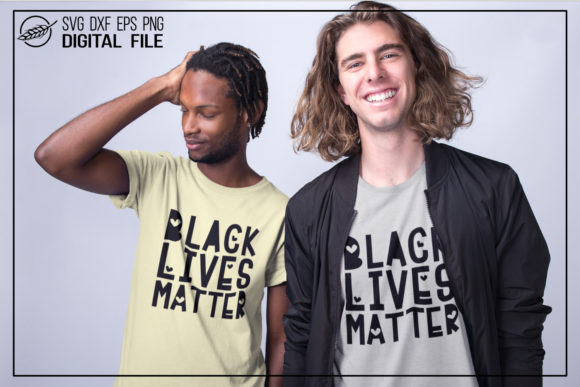
Black Lives Matter Cut File Quote
When I first opened the folder for the Black Lives Matter Cut File Quote, my immediate thought wasn't about the file formats or the price point. It was about the weight of the message and how it translates from a digital screen to a physical object. As someone who has spent years evaluating design assets for both personal embroidery projects and commercial small business lines, I know that a powerful statement needs more than just bold text; it needs structural integrity to survive the stitching process.
This embroidery file arrives with a suite of formats—SVG, DXF, EPS, and PNG—that are familiar territory for anyone working in Crafts or Graphics. However, the true test lies in how these vectors behave when converted into thread. The inclusion of a transparent background PNG is a nice touch for mockups, but the real magic happens when you import the SVG into Cricut Design Space or Silhouette Studio to prepare for digitizing or cutting.
The First Stitch: Visual Impact and Mood
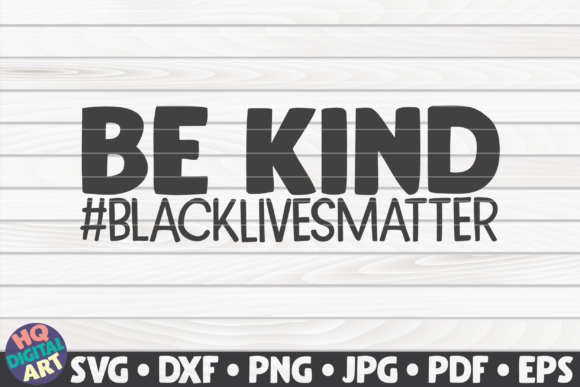
The layout of the Black Lives Matter Cut File Quote carries an immediate sense of urgency and solidarity. In its digital form, it looks crisp and clean, but when I imagine this as a machine embroidery design, the mood shifts slightly. The typography suggests strength, which means the stitch density will need to be substantial to convey that feeling. If the lettering is too sparse, the message might feel fragile rather than firm.
I envision this design finding a natural home on a heavy-duty cotton tote bag or a structured cap. These substrates provide the necessary stability for a statement piece. The visual personality of the quote is serious and direct, making it less suitable for delicate items like baby bibs unless the font style is softened significantly. For a boutique product or a handmade shop item, this design demands respect. It isn't a filler graphic; it is a centerpiece that requires careful placement and high-quality thread selection to ensure the finished product commands attention without looking rushed.
Real-World Application: From Screen to Stitches
Let's walk through a practical scenario. Imagine you are preparing a custom embroidered sweatshirt for a local community event or creating a batch of aprons for a craft fair vendor. You want the Black Lives Matter Cut File Quote to stand out against the fabric. On a dark-colored sweatshirt, the contrast becomes critical. You would likely choose a bright white or metallic gold thread to make the letters pop, but you must consider how those colors interact with the fill stitches.
If you decide to use this as an embroidered patch for a denim jacket, the stability of the backing material becomes paramount. The design works well here because patches often have defined edges that frame the text beautifully. However, if you attempt to place this on a stretchy knit fabric without proper stabilizer, the tension could distort the letters, turning a bold statement into a wobbly mess. The key is understanding that the digital vector is only as good as the execution.
For Etsy sellers and small business owners, this design offers versatility. It can be adapted for holiday gifts, where the theme aligns with year-round messages of equality, or used as a unique addition to wedding gifts for couples who value social justice. The versatility extends to kitchen towels and pillow covers, provided the fabric texture supports the detail level. A rough linen might obscure fine details, while a smooth percale would allow every curve of the lettering to shine.
Navigating Technical Challenges and Limitations
No design is perfect for every situation, and the Black Lives Matter Cut File Quote has specific constraints that require strategic planning. One of the primary concerns is hoop size. If the quote is dense or spans a large area, a standard 4x4 hoop might force you to split the design, which can ruin the flow of the text. Always verify the dimensions before committing to a project.
Textured fabrics present another hurdle. While they add character to a handmade product, they can cause needle deflection, leading to misaligned stitches. Thin or stretchy fabrics are particularly risky for this type of typographic design. Without adequate stabilizer, the fabric may pucker around the satin stitches, creating an unprofessional finish that detracts from the message. Curved surfaces, such as caps, also require careful digitizing to ensure the text doesn't appear distorted when viewed from the front.
Dense stitch areas within the lettering can lead to bulkiness, especially if the design is intended for a garment that will be folded or tucked. If the design includes tiny lettering or intricate decorative accents, these elements might get lost in the stitching process. It is always wise to inspect small details closely in your software before running a production batch. Furthermore, products that require frequent washing need robust construction; loose threads or weak anchoring points can lead to fraying over time.
Strategic Considerations for Business and Branding
For creative entrepreneurs and digital product sellers, the decision to use this asset impacts brand consistency and customer trust. A poorly executed commercial embroidery project can reflect negatively on your shop's reputation. When customers receive a personalized gift or a boutique item, they are buying into the quality and the sentiment behind it. If the Black Lives Matter Cut File Quote looks amateurish due to poor thread choices or incorrect stitch density, the emotional impact is diminished.
To maintain professionalism, I recommend testing the design in black and white mockups first. This helps you visualize the contrast and balance without the distraction of color. Comparing light and dark fabric backgrounds is essential for ensuring the design remains legible across different product lines. Additionally, review the stitch density settings in your digitizing software. Too much density can create a stiff, board-like feel, while too little can result in a flimsy appearance.
When preparing for sale, confirm licensing terms explicitly. Some digital assets restrict commercial use or require attribution. As a designer, protecting your clients and yourself means double-checking whether the license allows for selling finished items made from the digital embroidery file. This step prevents legal issues and ensures ethical business practices.
Practical Designer Notes for Execution
Before you load the fabric into your machine, take these steps to ensure success:
- Test on scrap fabric: Always run a trial stitch on a piece of the same material you plan to use. This reveals potential puckering or tension issues early.
- Check thread color contrast: Ensure the thread stands out against the fabric. High contrast enhances readability and visual appeal.
- Review stitch density: Adjust settings to prevent excessive bulk, especially in dense areas.
- Confirm hoop size: Ensure your design fits within your machine's capabilities without needing splits.
- Inspect small details: Zoom in on the vector paths to identify any sharp corners or thin lines that might not stitch well.
- Use proper stabilizer: Select a stabilizer that matches the fabric weight and drape requirements.
- Verify licensing: Read the terms carefully to understand rights for personal versus commercial use.
The Black Lives Matter Cut File Quote is a powerful tool for designers and makers who want to create meaningful work. Whether you are crafting a custom apparel item, updating your Etsy listings, or producing merchandise for a small shop, the success of the project depends on your technical precision and artistic judgment. By approaching this design with care and attention to detail, you can transform a simple digital file into a lasting symbol of unity and expression.
In the world of craft business and design assets, quality is everything. A well-executed finished product speaks louder than words ever could. Use this guide to navigate the nuances of embroidery, ensuring that your embroidery project honors the message it carries and meets the high standards expected by today's discerning buyers.