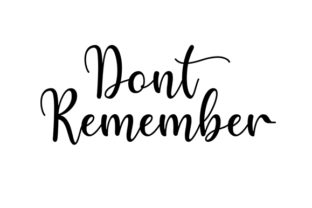
Dont Remember Quote Craft Design Review
As a designer who spends more time staring at stitch patterns than sleeping, I approach every new file with a mix of curiosity and skepticism. The market is flooded with digital assets, but few truly translate from screen to fabric without losing their soul. That is exactly why I pulled Dont Remember Quote Craft Design into my workflow this week. I wanted to see if it holds up under the scrutiny of real-world embroidery, or if it is just another pretty picture that falls apart when the needle starts moving.
I received the files in SVG, Transparent PNG, and EPS formats. While these are standard for digital product sellers and graphic designers, they require translation for the machine embroidery world. This review focuses on how those vector assets behave when converted into an actual embroidery project, specifically looking at clarity, mood, and commercial viability for small business owners and crafters.
First Impressions: Mood and Visual Personality
The moment I opened the preview, the design communicated a specific emotional tone. It is not aggressive, loud, or overly ornate. Instead, it carries a quiet confidence. The layout feels balanced, suggesting that the creator understood negative space as well as positive shape. For an embroidery file based on a quote or textual element, readability is paramount. From what I can assess through the static files, the kerning and spacing appear intentional rather than accidental.
This kind of visual personality works exceptionally well for personalized gift items. It does not scream for attention; rather, it invites the wearer to lean in closer. In my experience, designs that rely on subtle charm often outperform those trying too hard in the long run. Customers tend to buy pieces they feel connected to, not just pieces that look busy. This design leans into that connection.
Real-World Application: Where Does It Fit?
To test the versatility of Dont Remember Quote Craft Design, I imagined placing it across several common handmade product categories. Here is how I see it performing in actual use cases:
- Custom Apparel: On a sweatshirt or heavyweight t-shirt, this design would anchor the garment beautifully. The clean lines of the source file suggest it would render well as a chest-level placement, offering a sophisticated look for everyday wear.
- Tote Bags: A classic tote bag design. Canvas provides a sturdy background that allows the details to pop. If converted with proper stabilizer support, it would hold its shape even after multiple washes.
- Baby Embroidery: Soft bodysuits or muslin blankets benefit from gentle, clear graphics. This design’s lack of chaotic elements makes it ideal for nursery decor or baby gifts, where safety and simplicity are key.
- Kitchen Textiles: Tea towels and aprons are huge sellers for Etsy seller communities. The aesthetic fits perfectly in a modern farmhouse or minimalist kitchen setting.
- Embroidered Patches: If you plan to create iron-on or sew-on patches, the defined edges visible in the SVG format will help maintain integrity during the cutting process.
For commercial embroidery projects, such as boutique branding or corporate gifting, this asset adds a layer of professionalism. It looks like something a established brand would commission, rather than a rushed template.
Technical Considerations and Potential Pitfalls
No design is perfect for every situation. As an experienced reviewer, I must highlight where caution is needed. Even the best-looking file can fail if applied incorrectly.
Fabric Texture and Stability: Avoid using this on highly textured fabrics like chunky knits or boucle unless you have extensive experience with hooping techniques. The design relies on clean lines, which can get lost in deep weaves. Similarly, stretchy fabrics require a strong tear-away or cut-away stabilizer to prevent distortion.
Small Hoop Sizes: If you are working with a 4x4 inch hoop, pay close attention to the smallest details. While the main shapes should remain clear, any tiny decorative accents or fine lettering might merge together during stitching. Always inspect small details before committing to a full production run.
Thread Color Contrast: The visual appeal of this design depends heavily on your choice of thread colors. On dark fabric, light threads will provide high contrast and excellent visibility. On light fabric, darker threads will define the shape. However, avoid low-contrast combinations (like beige on cream) as they will disappear once stitched.
Dense Stitch Areas: Although I cannot confirm the exact stitch count from the provided file formats, quotes often involve dense fill stitches. Ensure your machine can handle the density without breaking thread or causing puckering. If the design includes heavy shading, consider reducing the stitch density slightly to improve flexibility.
Stitch Type Analysis
Based on the vector nature of the SVG and EPS files, I anticipate a mix of stitch types:
- Satin Stitch: Likely used for outlines and borders to give a polished edge.
- Fill Stitch: Probably employed for solid color areas within the quote or graphic elements.
- Running Stitch: May be used for finer details or texturing, adding depth without bulk.
If the design incorporates applique elements, the precision of the underlying shapes will be critical. Misalignment here is immediately visible and difficult to fix.
Professional Advice for Makers and Sellers
Before you upload this to your shop or start stitching for clients, follow these practical steps:
- Test on Scrap Fabric: Never assume a digital file will behave perfectly. Stitch a sample on the same fabric type you intend to sell.
- Check Black and White Mockups: View the design in grayscale to ensure the hierarchy of elements remains clear without the distraction of color.
- Confirm Licensing: Since you received SVG, PNG, and EPS files, verify the commercial license terms. Can you sell finished physical products? Can you resell the digital files themselves? This distinction is vital for craft business compliance.
- Inspect Corners: Look closely at the corners of the design in the PNG preview. Are they sharp or rounded? This affects how it will look when digitized.
- Compare Backgrounds: Test the design against both white and black backgrounds in your mockup software to see how it translates to different product options.
Final Verdict
Dont Remember Quote Craft Design is a thoughtful, versatile addition to any design assets library. It avoids the pitfalls of over-complication and focuses on clean, effective communication. For small shop product creators, it offers a ready-made solution that looks professional and appeals to a broad audience.
It is particularly strong for holiday embroidery collections, wedding favors, and seasonal apparel. The mood is welcoming, and the structure is sound. Provided you pay attention to fabric choice, stabilizer usage, and thread contrast, this design has the potential to become a bestseller in your printable mockup listings or a favorite among your repeat customers.
If you are looking for a reliable, aesthetically pleasing machine embroidery design that balances style with wearability, this one earns a place in your rotation. Just remember to test first, check your licenses, and let the quality of the finish speak for itself.