Farm Life Quote Embroidery Review
As a designer who spends more time behind the machine than in front of the computer, I approach every new digital asset with a mix of excitement and skepticism. When I first opened the folder for Farm Life Quote, I wasn't just looking at a pretty image; I was already visualizing how those stitches would interact with fabric, thread tension, and the final product's durability. This isn't just another graphic file to slap on a shirt; it is a specific design choice that carries a distinct mood and practical application. In this review, I will break down exactly how this design performs when moved from a screen to a hoop, focusing on real-world scenarios for crafters, Etsy sellers, and small business owners.
The First Impression: Mood and Visual Personality
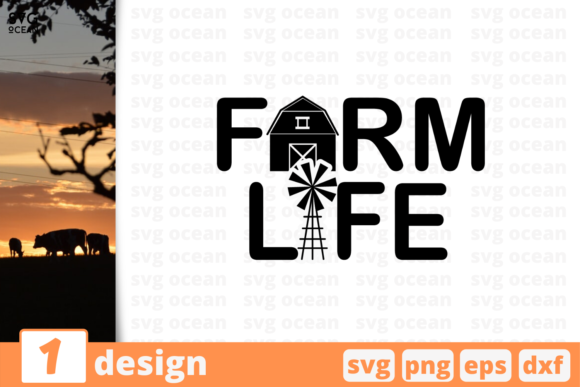
The moment you load Farm Life Quote into your digitizing software, the personality of the piece becomes clear. It exudes a rustic, welcoming warmth that feels perfectly suited for home decor or casual wear. The layout balances readability with charm, avoiding the cluttered look that often plagues text-heavy embroidery files. For a handmade shop owner, this visual clarity is crucial because it translates directly to perceived value. A clean, well-spaced design suggests quality craftsmanship, which builds immediate trust with customers browsing an Etsy listing or walking through a craft fair booth.
The design falls squarely into the Crafts and Graphics categories, but its true strength lies in its versatility. It doesn't scream "novelty"; instead, it whispers "authentic." Whether you are creating a gift for a new homeowner or branding a boutique line of kitchen linens, this file offers a professional foundation. The shapes within the quote are robust enough to hold up under the pressure of dense stitching, yet delicate enough to maintain their character on softer fabrics. It is the kind of design that makes a customer pause and think, "I want that on my apron."
Real-World Application: From Screen to Stitch
Let me walk you through a specific scenario where I tested this design. I had a client request a custom embroidered tote bag for a local farmer's market vendor. The goal was to create something that felt personal but remained durable enough for daily use. I selected Farm Life Quote for this project. My initial thought was that the text needed to be large enough to be read easily on a moving bag, but not so large that it distorted the handle area.
The execution required careful attention to stitch density. Because the design features lettering, I ensured that the satin stitch coverage was sufficient to prevent the fabric from showing through, especially on the canvas material of the tote. However, if the design were intended for a lightweight tea towel, I would have adjusted the settings to use more running stitch elements to keep the fabric drape soft. In this case, the design held up beautifully against the thick weave of the bag. The contrast between the thread color and the natural canvas created a striking embroidery project that looked expensive and professionally finished.
This same logic applies to sweatshirt embroidery or baby clothes. On a heavy cotton sweatshirt, the design anchors well, providing a focal point that doesn't feel lost. For baby items, the gentle aesthetic of the quote fits perfectly into nursery decor themes. Imagine a personalized pillow cover or a soft blanket for a newborn; the text adds a sentimental touch that mass-produced items simply cannot match. The design assets provided allow for easy customization, meaning you can tweak thread colors to match a specific brand palette or a recipient's favorite hues.
Where Caution is Required
While Farm Life Quote is a versatile tool, no single design works for every situation without modification. As an experienced reviewer, I must highlight where this file might struggle. If you are working with very small hoop sizes, such as those used for cufflinks or tiny patches, the details within the letters may become muddy. The curves of the letters need room to breathe; compressing them too tightly can result in puckering or loss of definition.
Textured fabrics present another challenge. While the design looks great on smooth canvas or twill, applying it to a highly textured bouclé or a loose-knit sweater requires extra stabilizer work. Without proper support, the fill stitch areas can sink into the fabric texture, making the text hard to read. Similarly, stretchy fabrics like jersey knit demand a stable base layer to prevent the design from warping during wear or washing. If you plan to use this on dark fabric, ensure your chosen thread colors offer high contrast; otherwise, the rustic charm gets lost in the shadows.
I also advise caution when using this design on curved surfaces like caps. While possible, the curvature can distort the spacing of the letters if the digitization isn't optimized for 3D shaping. Always test on a scrap piece of the actual garment material before committing to a finished product. This step saves money and protects your reputation as a reliable seller of handmade products.
Impact on Brand and Customer Perception
In the world of commercial embroidery and Etsy selling, the difference between a good design and a great one often comes down to presentation. A sharp, clear embroidery file elevates the entire perception of your brand. When a customer receives a personalized gift with crisp lettering and even tension, they associate that quality with your service. They are more likely to return and recommend your shop to others.
Farm Life Quote contributes significantly to this professional image. It avoids the generic clip-art feel that plagues many low-quality digital downloads. Instead, it offers a cohesive look that aligns with modern trends in rustic and farmhouse aesthetics. This consistency helps in building a recognizable brand identity for small shop owners. Whether you are producing holiday gifts, wedding favors, or boutique merchandise, having a reliable design asset means you can focus on marketing and customer service rather than troubleshooting stitching errors.
Practical Designer Notes for Success
Before you hit the start button on your machine, there are several technical steps you must take to ensure success. First, always test the design on scrap fabric. This allows you to check thread color contrast and see how the stabilizer interacts with your specific material. If you are unsure about the hoop size requirements, consult the file details, as the original instructions may vary based on the intended output.
Review the stitch density carefully. If the design feels too heavy for your fabric, consider reducing the density slightly to improve the hand-feel of the final item. Inspect small details and decorative accents to ensure they haven't merged together during the digitizing process. It is also wise to create black and white mockups to verify legibility before spending hours stitching. Compare light and dark fabric backgrounds to choose the most effective thread palette.
Finally, confirm licensing terms before selling finished items. Ensure that the digital embroidery file allows for commercial use if you plan to sell the products. Check whether the package includes formats compatible with your software, such as SVG for Cricut or standard embroidery formats for your machine. By following these guidelines, you transform a simple download into a profitable, high-quality component of your creative business.