Happy Christmas Quote Embroidery Review
As a designer who spends more time staring at stitch density charts and fabric swatches than actually drinking coffee, I approach every new embroidery file with a mix of optimism and skepticism. The market is flooded with digital assets, but finding one that translates beautifully from a screen to a hoop is rare. Recently, I pulled the Happy Christmas Quote design from the Crafts and Graphics categories to see if it holds up in a real-world scenario. This isn’t just about looking pretty; it’s about functionality, longevity, and whether a customer will actually wear or display what you made.
The First Impression: Mood and Layout
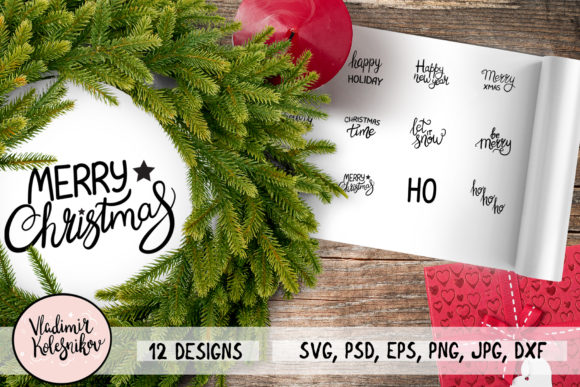
When you first open the files—specifically the SVG and transparent PNG included—the immediate takeaway is the hand-drawn vintage aesthetic. In an era where clean, minimalist vector art dominates, this design feels warm and tactile. The hand-lettering carries a specific weight and rhythm that mimics actual brushwork, which is crucial for embroidery because it suggests movement rather than rigid geometry.
The layout balances the typography with decorative elements effectively. It doesn’t feel cluttered, nor does it feel sparse. For an embroidery project, this balance is everything. If the text is too close to the decorations, you risk thread breaks or a muddy visual result. Here, the spacing allows each component to breathe. The mood is nostalgic yet festive, making it perfect for holiday-themed merchandise without feeling overly commercial or cheesy. It strikes that delicate balance between a boutique brand item and a heartfelt personal gift.
Real-World Application: Where Does It Shine?
I tested the concept of this design against several common product categories to see where it fits best. The versatility of the Happy Christmas Quote makes it a strong candidate for multiple use cases, but some applications are clearly superior to others.
- Custom Apparel: This is perhaps the strongest fit. Whether applied to a crewneck sweatshirt, a heavy cotton t-shirt, or a cozy fleece pullover, the vintage style complements the texture of the fabric. On a dark navy or forest green garment, the contrast would be striking, provided the thread colors are chosen carefully.
- Tote Bags and Canvas Items: A sturdy canvas tote bag is a classic vehicle for embroidered quotes. The stability of the fabric supports the stitch density well, and the casual nature of the bag matches the relaxed vibe of the hand-lettering.
- Holiday Gifts and Personalized Products: Because the design is text-based but stylized, it works exceptionally well as a personalized gift. Imagine this on a monogrammed apron or a set of kitchen towels. The "handmade" feel adds perceived value, allowing small business owners to charge a premium over mass-produced printed goods.
- Baby Items: Soft blankets or burp cloths benefit from the gentle curves of the decoration elements. However, caution is needed here regarding safety and softness, which I will address later.
For an Etsy seller or someone running a craft business, this design offers high flexibility. It can serve as a standalone piece or be combined with other elements to create larger compositions. The inclusion of both SVG and PNG formats means you can also use these as design assets for mockups, giving you a head start on marketing your finished products.
Technical Considerations and Stitch Quality
From a technical standpoint, the success of any machine embroidery design hinges on how well it handles different stitch types. While exact stitch counts vary by digitizing software, designs with hand-lettering often rely heavily on satin stitches for outlines and fill stitches for shading. The key question is: is the stitch density appropriate?
If the density is too high, the fabric will pucker, especially on lighter materials. If it is too low, the backing may show through, or the design may look thin and cheap. Based on the visual complexity of the Happy Christmas Quote, it appears to have a moderate density that should work well on medium-weight fabrics. However, you must always verify the hoop size requirements before starting production.
Thread color selection is critical here. Vintage illustrations often suffer when paired with neon or overly bright threads. To maintain the authentic look, consider using muted tones, creams, deep reds, or metallic accents. Avoid pure white on white backgrounds unless you are using a specialty thread like pearl cotton or a textured rayon that catches the light differently.
Where to Use Caution
Not every surface is created equal. There are specific scenarios where this design might struggle:
- Small Hoop Sizes: If the design includes fine details or tiny lettering, attempting to shrink it down for a 4x4 hoop may result in lost definition. Small details tend to merge together during stitching.
- Textured and Stretchy Fabrics: Jersey knits, ribbed cuffs, or highly textured wools can distort the shape of the letters. These fabrics require excellent stabilization and sometimes a temporary spray adhesive to prevent shifting.
- Curved Surfaces: Applying this to a baseball cap or a curved hat brim requires advanced digitizing techniques to ensure the text doesn’t warp unnaturally. Flat surfaces like tote bags or pillows are much safer bets.
- Frequent Washing: For items like aprons or tea towels that will undergo rigorous laundering, ensure the design has adequate underlay stitches to secure the top layers. Loose threads can snag and ruin the finished product.
Practical Designer Notes for Production
Before committing to a full production run or listing an item on your shop, follow these practical steps to ensure quality control:
- Test on Scrap Fabric: Always stitch out a test version on the exact fabric you plan to use. This reveals issues with tension, thread breakage, or color clashes that aren't visible on screen.
- Check Stabilizer Choice: The type of stabilizer you use can make or break the final look. Cut-away stabilizers are generally recommended for garments to provide long-term support, while tear-away might suffice for single-use gifts.
- Review in Black and White: Convert your mockup to grayscale to check contrast levels. Sometimes colors that look good side-by-side fail to distinguish themselves once stitched.
- Inspect Small Details: Zoom in on the hand-lettering. Are the serifs crisp? Do the decorative elements overlap in a way that creates bulk? Adjusting the placement slightly can save hours of re-digitizing.
- Confirm Licensing: As a professional, you must know your rights. Check the license agreement to confirm whether you can sell commercial embroidery items made from this file. Some licenses restrict the number of units you can produce or prohibit resale entirely.
Final Verdict
The Happy Christmas Quote is a solid addition to any designer’s library. It bridges the gap between artistic expression and commercial viability. The hand-drawn style gives it character, while the straightforward layout ensures it remains legible and appealing after stitching. It is particularly well-suited for personalized gifts, holiday embroidery collections, and small shop products that aim for a rustic, artisanal feel.
For apparel decorators and digital product sellers, this design offers a reliable foundation for creating unique offerings. Just remember that the magic lies not just in the file itself, but in how you execute it. Choose your fabrics wisely, respect the limits of your machine, and prioritize finish quality over speed. When done right, this design has the potential to become a staple in your seasonal collection, driving engagement and trust among buyers who appreciate the nuance of handmade crafts.