It Takes a Lot of Balls Quote Review
As someone who has spent years stitching custom designs for boutique clients and personal gifts, I know that the difference between a good project and a great one often comes down to the design itself. When I first saw the It Takes a Lot of Balls Quote, my immediate reaction was practical curiosity rather than just excitement. This isn't just another generic SVG file; it is a statement piece that demands careful consideration regarding where it fits in your workflow. Whether you are an Etsy seller looking to expand your holiday collection or a hobbyist making a personalized gift for a tough-love friend, the execution of this phrase matters immensely.
The First Impression: Mood and Visual Personality
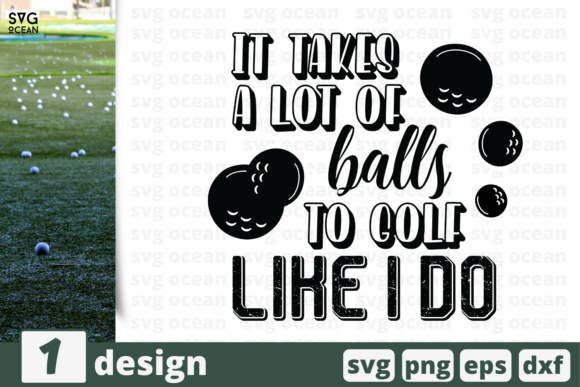
The moment you load the It Takes a Lot of Balls Quote into your design software, the layout speaks volumes about its intended use. The typography carries a bold, confident energy that suggests resilience and humor. It creates a mood that is equal parts empowering and cheeky. For an embroidery designer, the visual personality is crucial because it dictates the fabric choice. This design feels most at home on sturdy materials like canvas, denim, or heavy cotton blends. It does not feel right on delicate silks or fine linens, which would be overwhelmed by the assertive nature of the message.
The shape and detail level suggest a design meant to be seen. It relies on clear lines and strong contrast to make its point. In the world of handmade products, where every stitch contributes to the perceived value, this quote offers a high-impact visual that customers can read from a distance. It is the kind of design that turns a simple tote bag into a conversation starter or transforms a basic apron into a signature item for a craft business owner.
Real-World Application: A Case Study in Stitching
Let me walk you through a scenario I recently faced while preparing a batch of custom merchandise for a local craft fair. I needed a design for a line of embroidered patches and sweatshirts aimed at female entrepreneurs. The client wanted something that acknowledged the challenges of running a small shop without being overly serious. That is when I tested the It Takes a Lot of Balls Quote.
I started with a medium-weight heather grey sweatshirt. The design held up beautifully against the textured fabric. However, I quickly realized that the placement was critical. On a curved surface like a cap, the lettering might distort if the hoop size wasn't perfectly calibrated. I switched to a flat surface—a large tote bag made of natural canvas—and the result was stunning. The boldness of the quote cut through the weave of the fabric, creating a finished product that felt professional and durable. The customer reaction was immediate; they appreciated the honesty and the humor, which added significant emotional value to the handmade product.
This same design could easily translate to baby clothes, though with caution. Imagine a onesie for a toddler with a playful twist on the phrase. While the sentiment is adult-oriented, the font style could work for nursery decor if softened with pastel thread colors. Alternatively, it works exceptionally well as a kitchen towel design for a hostess gift. The durability required for washing a kitchen towel aligns perfectly with the robust nature of this embroidery file.
Navigating Technical Challenges and Limitations
While the It Takes a Lot of Balls Quote is powerful, it is not without its technical hurdles. As an experienced reviewer, I must highlight where this design requires extra attention. If you plan to use this for commercial embroidery projects, you need to be wary of small hoop sizes. Tight curves and dense stitch areas can cause puckering if the stabilizer is not chosen correctly. Testing on scrap fabric first is non-negotiable here.
Texture plays a massive role in how the final image appears. On stretchy fabrics like jersey knits, the tension of the satin stitch can cause the letters to warp. Similarly, dark fabrics require a specific approach to thread color contrast. You cannot simply assume the standard white thread will pop; you may need to adjust the fill stitch density or add a backing layer to ensure clarity. If the design includes tiny lettering or detailed corners, these elements are prone to getting lost on textured surfaces like fleece or thick towels.
Furthermore, consider the longevity of the finished product. Items that need frequent washing, such as aprons or work shirts, demand high-density stitching to prevent fraying. If the design files provided do not specify optimal stitch counts, you will need to manually review the density settings in your digitizing software. Ignoring this step can lead to a messy finish that damages the reputation of your handmade brand.
Strategic Use Cases for Your Craft Business
To maximize the potential of this design asset, consider where it adds the most value. It is ideal for:
- Custom Apparel: Sweatshirts and t-shirts for team events or motivational workshops.
- Boutique Branding: Tote bags and aprons that reinforce a brand's resilient identity.
- Personalized Gifts: Holiday gifts or wedding favors that celebrate strength and humor.
- Decorative Accents: Pillow covers and blankets that serve as focal points in a room.
- Digital Product Previews: Using mockups of this design to sell printable assets or digital embroidery files.
However, there are areas where you should proceed with caution. Avoid using this design on thin fabrics that lack structure, as the weight of the stitches may tear the material. Layered garments can also pose a challenge if the design is too large or dense for the underlying layers to support. Always inspect small details closely before committing to a full production run.
Professional Notes for the Embroidery Designer
If you are integrating the It Takes a Lot of Balls Quote into your workflow, remember that quality control starts before the machine even begins to sew. Check the thread colors carefully; high contrast is key to maintaining the design's impact. Review the stitch density to ensure that the satin stitch and fill stitch areas are balanced, preventing thread breaks or fabric distortion.
Confirm the hoop size requirements relative to your machine capabilities. If the design is complex, you may need multiple hooping sessions, which increases the risk of misalignment. Inspect the small details, especially around the edges of the letters, to ensure they remain crisp after stitching. It is also wise to test the design in black and white mockups to verify that the composition holds up without the distraction of color.
Finally, never overlook the legal aspects. Before selling finished items featuring this design, confirm the licensing terms. Are you allowed to use this embroidery file for commercial purposes? Does the license cover digital distribution? These questions determine whether your craft business remains compliant and profitable. If the product description mentions formats like SVG, DXF, PNG, and EPS, ensure you have the correct software, such as Cricut Design Space or Silhouette Studio, to manipulate the vectors effectively.
In conclusion, the It Takes a Lot of Balls Quote is more than just a graphic; it is a tool for expression. When used with the right fabric, stabilizer, and attention to detail, it elevates any embroidery project from a simple craft to a polished, professional statement. For designers, sellers, and makers, understanding the nuances of this design ensures that your finished product stands out in a crowded market, building trust and engagement with every stitch.