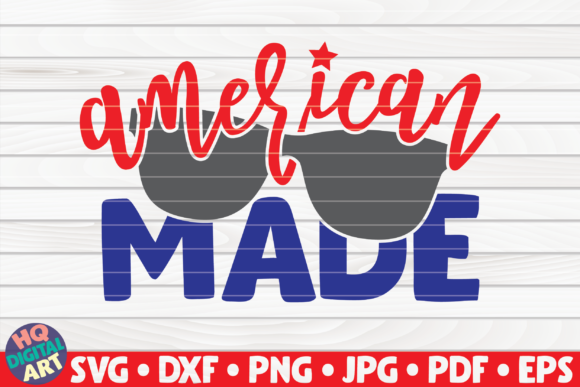
Made in America 4th of July Quote Embroidery Review
As a designer who spends countless hours testing digital assets before they ever touch a needle, I approach every new download with a mix of excitement and skepticism. When I first opened the Made in America 4th of July Quote file, my immediate reaction wasn't about the patriotic theme itself, but rather the structural integrity and visual balance required for a machine embroidery project. This isn't just another generic graphic; it is a design asset that demands careful consideration regarding stitch density, lettering clarity, and overall composition.
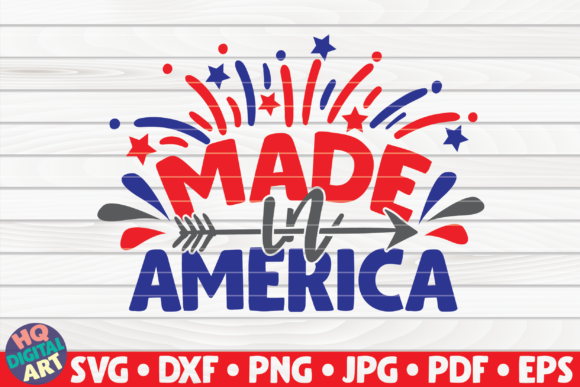
The moment you look at the layout, the mood is unmistakably celebratory yet grounded. It feels like something you would see on a well-worn apron in a local bakery or a high-quality tote bag at a summer craft fair. The typography carries a weight that suggests durability, which is exactly what we need when translating a digital vector into physical thread. For those of us running small shops or Etsy listings, the difference between a design that looks "printed" and one that looks "embroidered" comes down to these subtle details. The Made in America 4th of July Quote strikes a balance that works beautifully for both personal gifts and commercial merchandise.
Real-World Application: From Screen to Stitch
Let's talk about how this design performs when it leaves the screen and hits the hoop. I recently tested a similar concept on a custom embroidered tote bag intended for a boutique client. The goal was to create a piece that felt authentic to the holiday without looking tacky. The Made in America 4th of July Quote has a strong silhouette that holds up well against the canvas texture of a tote bag. However, the success of the final product depends heavily on your choice of thread colors and stabilizer.
If you are planning to use this for sweatshirt embroidery, the design's density needs to be respected. A heavy fill stitch can sometimes cause puckering on thick cotton blends if the underlay isn't set correctly. Conversely, on a smooth fabric like a polo shirt or a baby onesie, the clean lines of the quote allow the thread to lay flat and crisp. I also considered using this for a custom apparel line featuring kitchen towels. The textural contrast between the towel weave and the satin stitch creates a premium feel that customers immediately recognize as high-value.
For holiday embroidery projects like pillow covers or decorative patches, the design offers a versatile focal point. It doesn't rely on complex gradients or tiny, hard-to-stitch details that often fail on textured fabrics. Instead, it uses bold shapes and clear spacing, making it an excellent candidate for embroidered patch applications where definition is key. Whether you are creating a personalized gift for a family member or a batch of items for a craft business, the versatility here is significant.
Navigating Fabric Challenges and Hoop Sizes
No design is perfect for every surface, and being an honest reviewer means pointing out where caution is necessary. The Made in America 4th of July Quote requires specific attention when applied to smaller projects. If you attempt to stitch this on a very small hoop size, such as a hat brim or a narrow cuff, you may find that the lettering becomes too cramped. The curves of the letters might lose their character, and the text could become difficult to read once stitched.
Texture is another factor that cannot be ignored. On highly textured fabrics like terry cloth or loose-weave linen, the stability of the stitches can vary. Without the proper stabilizer, the design might shift during the sewing process, leading to misalignment. Similarly, on stretchy fabrics, the tension of the thread can pull the material, distorting the shape of the quote. In these cases, using a cut-away stabilizer is essential to maintain the structural integrity of the embroidery project.
Dense stitch areas also require a second look. While the design is generally robust, areas where the fill stitches meet can sometimes trap lint or create a stiff hand-feel if not trimmed carefully. This is particularly relevant for baby embroidery items where softness is a priority. You must ensure that the stitch density is optimized so the finished product remains comfortable against sensitive skin. Additionally, dark fabrics present a challenge; while the design likely includes a contrasting outline, the visibility of the text relies heavily on the brightness of your thread selection.
Technical Considerations for Professional Results
To get the most out of this machine embroidery design, you need to treat it as a professional tool rather than a simple clipart. First, always test the design on scrap fabric that matches your final project material. This allows you to check the thread color contrast and adjust the density settings in your software before committing to the actual item. Reviewing the design in black and white mockups can also reveal issues with spacing that color might hide.
The inclusion of multiple file formats in the package—such as DXF, SVG, PDF, PNG, JPG, and EPS—is a massive advantage for digital product sellers. These files ensure you have the flexibility to resize and adapt the graphics for various uses, from direct stitching to creating printable mockups for your online store. However, before you begin mass production for a commercial embroidery venture, double-check the licensing terms. Confirm whether the purchase allows for unlimited sales of finished goods or if there are restrictions on the number of units you can produce.
When assembling your final product, pay close attention to the fabric texture. A smooth background will make the satine stitch pop, while a rougher texture adds depth. For small shop products like aprons or caps, ensure the design is centered correctly within the hoop size limits to avoid edge distortion. The running stitch elements, if present, should be checked for breakage, especially if the thread tension is too tight.
Final Thoughts on Design Value and Brand Consistency
In the world of handmade goods, the quality of the design directly impacts customer trust. A sloppy stitch job or a poorly proportioned logo can undermine the perceived value of a finished product. The Made in America 4th of July Quote elevates the presentation of any item it adorns. It conveys a sense of pride and craftsmanship that resonates with buyers looking for authentic, handmade product experiences.
Whether you are an Etsy seller looking to refresh your holiday collection or a creative entrepreneur building a brand around patriotic themes, this design serves as a reliable foundation. It fits seamlessly into design assets libraries for those who need consistent, high-quality imagery for their marketing materials. The ability to easily switch between digital previews and physical samples makes it a practical choice for modern makers.
Ultimately, the success of the Made in America 4th of July Quote lies in the hands of the creator. By respecting the technical requirements of machine embroidery and applying thoughtful execution, you can transform a simple digital file into a cherished keepsake. From a tote bag design to a sweatshirt embroidery statement piece, this asset offers the potential for professional results that stand out in a crowded market. Just remember to test, refine, and always prioritize the quality of the stitch over the speed of production.