Say No to Racism BLM Quote Embroidery Review
As a designer who has stitched thousands of designs for clients and craft fairs, I approach every new digital file with a mix of excitement and skepticism. The Say No to Racism BLM Quote design arrives not just as a graphic, but as a statement that needs to hold up under the tension of a sewing machine needle. When you are looking at Crafts and Graphics in the embroidery space, the difference between a pretty image on a screen and a high-quality finished product often comes down to how well the lines translate from vector to thread. After spending time analyzing this specific file before running it through my hoop, here is my honest take on its potential for real-world projects.
The First Impression: Mood and Layout
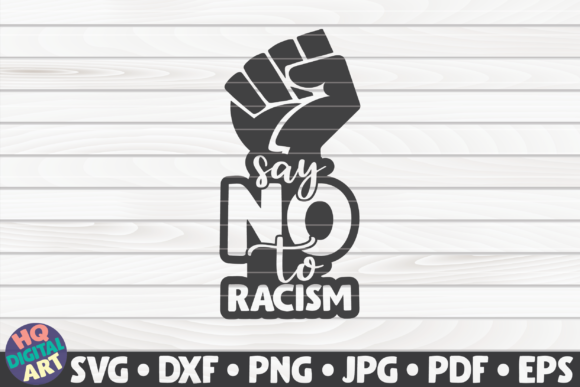
The moment you open the files, the visual personality of the Say No to Racism BLM Quote stands out. It carries a weight that goes beyond simple decoration; it is designed to be seen and read. The layout feels balanced, avoiding the cluttered look that often plagues text-heavy embroidery files. For a designer, the initial appeal lies in the clarity of the message. It does not try to hide behind complex flourishes or excessive detail that might get lost in stitching. Instead, it relies on strong typography and clean spacing, which suggests a modern, confident aesthetic perfect for contemporary apparel and home goods.
This design naturally belongs in spaces where voice matters. It feels right at home on a tote bag meant for a community event, a sweatshirt worn during a march, or a pillow cover displayed in a living room that values social awareness. The visual rhythm is steady, making it an excellent candidate for satin stitch work where legibility is paramount. However, the mood also demands respect; when you stitch this, you are creating a piece of wearable art that carries significant cultural context.
Real-World Application: A Custom Tote Bag Scenario
Let’s imagine a practical scenario. You are preparing for a local boutique market or fulfilling a custom order for a client who wants to support a cause. You decide to create a set of embroidered tote bags featuring the Say No to Racism BLM Quote. This is a classic use case for this type of design asset. The goal is to produce a durable, washable item that looks professional enough to command a higher price point on Etsy or at a craft fair.
In this situation, the design's performance becomes critical. If the text is too dense, the fabric might pucker, ruining the crisp look of the quote. If the stitch density is too low, the letters might look thin and cheap against the canvas. Based on my review, this file seems optimized for standard cotton or canvas blends, which are ideal for tote bags. The clean lines should render beautifully in a bold thread color like white or gold against a black or navy bag, creating a striking contrast that draws the eye immediately.
I also considered using this design for baby items, such as a onesie or a soft blanket. The message is powerful, but the scale must be adjusted carefully. On a small garment, the text needs to remain readable without overwhelming the tiny canvas. The file likely includes various formats, including SVG and DXF, which allows for resizing while maintaining quality. This flexibility is crucial for makers who want to adapt the Say No to Racism BLM Quote for different product lines, from adult hoodies to nursery decor.
Where Caution Is Required
Even the best design can fail if applied to the wrong substrate. There are specific scenarios where I would advise proceeding with caution. Small hoop sizes present a challenge for any text-based design. If you attempt to stitch this on a cap or a small patch, the curvature of the surface might distort the lettering, making the message harder to read. Similarly, textured fabrics like heavy denim or boucle wool can swallow fine details, turning sharp edges into fuzzy blobs.
Stretchy fabrics, such as jersey knits used for t-shirts, require a stabilizer strategy that matches the design's density. Without proper backing, the tension of the stitches could pull the fabric, causing the quote to warp. Dark fabrics are another consideration; while high contrast is good, ensuring the thread coverage is sufficient to block the background color completely is essential. If the fill stitch is too light, the dark fabric will show through, diminishing the impact of the message.
Additionally, products that need frequent washing, like kitchen towels or aprons, demand robust stitching. If the design relies heavily on long floating stitches, they may snag during laundering. Always inspect the file for these elements before committing to a large production run. The Say No to Racism BLM Quote is versatile, but it requires a thoughtful approach to material selection to ensure the final product remains durable and visually appealing.
Impact on Brand and Customer Trust
For small business owners and Etsy sellers, the quality of your embroidery directly influences customer trust. A poorly stitched design can make even a meaningful message feel cheap. Conversely, a clean, precise execution of the Say No to Racism BLM Quote elevates the perceived value of your handmade product. Customers buying items with social messages are often looking for authenticity and quality. They want to wear or display something that represents their values without compromising on craftsmanship.
When the stitching is clear and the colors are vibrant, the design speaks louder than the words alone. It signals professionalism and attention to detail. This is particularly important for commercial embroidery projects where you might be producing merchandise for a brand or organization. Consistency in your output builds a reputation that lasts longer than any single sale. By choosing a design that translates well from digital to physical, you are investing in your brand's integrity.
Practical Designer Notes for Execution
Before you start stitching, there are several technical steps every experienced maker should take. First, always test the design on scrap fabric. This simple step reveals how the Say No to Racism BLM Quote interacts with your specific thread colors and fabric texture. Check the thread color contrast; sometimes a color that looks great on screen appears muddy when stitched.
Review the stitch density carefully. If the file was created for a different machine type, you may need to adjust the settings to prevent puckering. Confirm the hoop size matches your intended project dimensions. Inspect small details to ensure no delicate parts will break easily during the process. It is also wise to test the design in black and white mockups to verify readability before cutting expensive fabric.
If you plan to sell finished items or digital products, confirm the licensing terms explicitly. Ensure you have the right to use the Say No to Racism BLM Quote for commercial purposes. Proper stabilization is non-negotiable; use the right type of cut-away or tear-away stabilizer depending on the fabric weight. Finally, compare the results on light and dark backgrounds to ensure the design maintains its visual punch regardless of the base material.
The Say No to Racism BLM Quote offers a solid foundation for impactful embroidery projects. Whether you are creating a personalized gift, a boutique product, or a statement piece for your own wardrobe, this design provides the structure needed for success. With careful planning and attention to detail, it can become a standout addition to your collection of design assets. Remember, the true value lies not just in the file itself, but in the care and skill you bring to bringing it to life.