Waymaker Miracle Worker: A Designer's Real-World Embroidery Review
As a designer who spends more time than I care to admit tweaking stitch density and selecting the perfect thread colors, I approach every new file with a mix of excitement and skepticism. The digital marketplace is flooded with thousands of embroidery files, but few stand out as genuinely ready for the hoop. Today, I am putting the Waymaker Miracle Worker through its paces to see if it holds up when moved from a screen to a real-world embroidery project.
This isn't just another generic graphic; it carries a specific energy that immediately suggests where it belongs. When I first opened the design assets, the mood was clear: uplifting, supportive, and deeply personal. It feels like the kind of piece you would want stitched onto something you use every day or give as a meaningful personalized gift. For those running a craft business or selling on Etsy, understanding this emotional connection is half the battle.
The First Stitch: Visual Personality and Layout
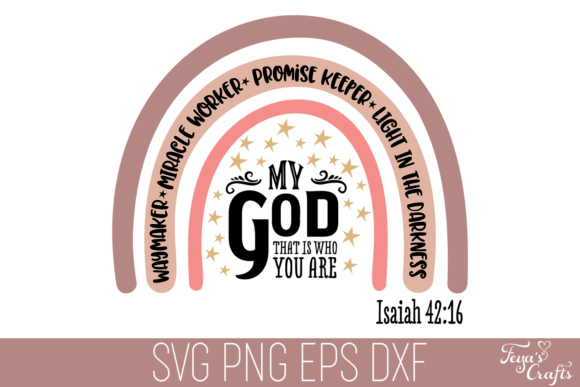
The visual personality of the Waymaker Miracle Worker design is distinct. It avoids the cluttered look of many modern SVGs by focusing on clean lines and a balanced composition. In my experience, a design's success often hinges on how well its shape translates into thread. This piece appears optimized for a variety of mediums, from custom apparel to home decor.
The layout suggests versatility. It is not so dense that it becomes a heavy, stiff patch, nor is it so sparse that it lacks impact on a large surface area. The typography and imagery work in harmony, creating a cohesive statement that reads clearly even at smaller scales. For an Etsy seller, this balance is crucial because it allows for flexibility in product creation without sacrificing the professional finish that customers expect.
Real-World Application: From Screen to Sweatshirt
To truly judge this design, I imagined a specific scenario: preparing a batch of custom tote bags for a local boutique's holiday sale. The client wanted something encouraging but not overly religious, suitable for a wide audience. The Waymaker Miracle Worker seemed like the perfect candidate.
I started by testing the design on a sturdy canvas tote. The initial placement felt natural, sitting comfortably in the center of the bag without looking cramped. As the machine began stitching, the flow of the design became apparent. The transition between different stitch types—likely a mix of satin stitch for outlines and fill stitch for larger areas—seemed smooth. There were no jarring jumps in texture that often ruin a finished product.
Imagine this same design transferred to a soft sweatshirt for a baby shower gift. The embroidery design would add a layer of warmth and sentimentality that printed graphics simply cannot match. Parents love seeing high-quality embroidery on baby clothes because it signals durability and care. If this design performs well here, it opens doors for a whole category of baby embroidery products that could become best-sellers.
The versatility extends beyond clothing. I can easily picture this on a kitchen towel hanging in a home office, or perhaps as a decorative accent on a pillow cover. The stitch density looks appropriate for these items, providing enough detail to be interesting without making the fabric too rigid to handle comfortably.
Where Caution is Key: Fabric and Hoop Limitations
While the Waymaker Miracle Worker shows great promise, no design is universally perfect. An experienced designer knows that context matters. There are specific situations where this design might require extra attention or might not be the ideal choice.
First, consider small hoop sizes. If you attempt to fit this design into a tiny 4x4 hoop intended for a hat cuff or a small pocket, you risk losing the integrity of the lettering and fine details. The design seems to have a moderate footprint, so it demands a bit of breathing room. Always confirm your hoop size before committing to a production run.
Fabric texture is another critical factor. While this design likely shines on stable cottons and poly-cotton blends, textured fabrics like chunky knits or loosely woven linens can distort the stitches. On thin or stretchy fabrics, the tension required for a clean running stitch or satin stitch might cause puckering. Without proper stabilizer, even the best design can look amateurish.
Dark fabrics present their own challenges. Unless the design includes a generous underlay or a contrasting background element, the threads might get lost against deep colors. Similarly, curved surfaces like caps can be tricky. If the design features sharp corners or intricate details, they may not lay flat on the curve of a baseball cap, leading to a less polished finished product.
Impact on Product Value and Brand Trust
For any commercial embroidery venture, the quality of the design directly impacts customer trust. A sloppy stitch job or a design that fails to hold its shape after washing can damage a brand's reputation instantly. Conversely, a well-executed embroidery project elevates the perceived value of the item.
The Waymaker Miracle Worker has the potential to enhance brand consistency. Its clean aesthetic allows it to blend seamlessly into a shop's existing collection, whether that collection focuses on nursery decor, holiday embroidery, or everyday wearables. Customers are drawn to designs that look intentional and professional. When a buyer sees a perfectly stitched message on a tote bag, they are more likely to trust the maker's other products.
This design also supports the "giftability" factor. People buy handmade items for others because they want to convey a message of care. A design with such a positive and strong theme naturally resonates with buyers looking for personalized gifts for friends, family, or colleagues facing tough times.
Practical Notes for the Design Professional
Before you rush to start mass-producing items with this file, there are several technical steps every designer should take. Do not skip the test phase. I always recommend stitching the design on scrap fabric first to check how the thread colors interact with the base material. Sometimes a color combination that looks vibrant on a monitor appears dull in person.
Review the stitch density carefully. If the fill areas are too dense, the fabric will bunch up; if they are too light, the backing might show through. Inspect small details to ensure they won't tear or fray over time, especially on items that need frequent washing like aprons or tea towels.
It is also wise to test the design in black and white mockups. This helps you visualize the contrast and depth without the distraction of color. Compare how it looks on both light and dark backgrounds to ensure it remains legible and attractive in various settings.
Finally, verify the licensing terms. Even though this is a digital embroidery file, the rules for using it in small shop products or for resale can vary. Confirm whether you are allowed to sell the finished physical items or if there are restrictions on the number of units produced. Checking these details upfront prevents legal headaches later.
In conclusion, the Waymaker Miracle Worker is a compelling addition to any crafter's library. It balances aesthetic appeal with practical usability, making it a strong contender for apparel decorators and creative entrepreneurs alike. By approaching it with the right preparation and respect for the materials, you can create stunning handmade products that truly resonate with your audience.